

Cracked Cedar Tree to Usable Lumber
Aug 19th 2026
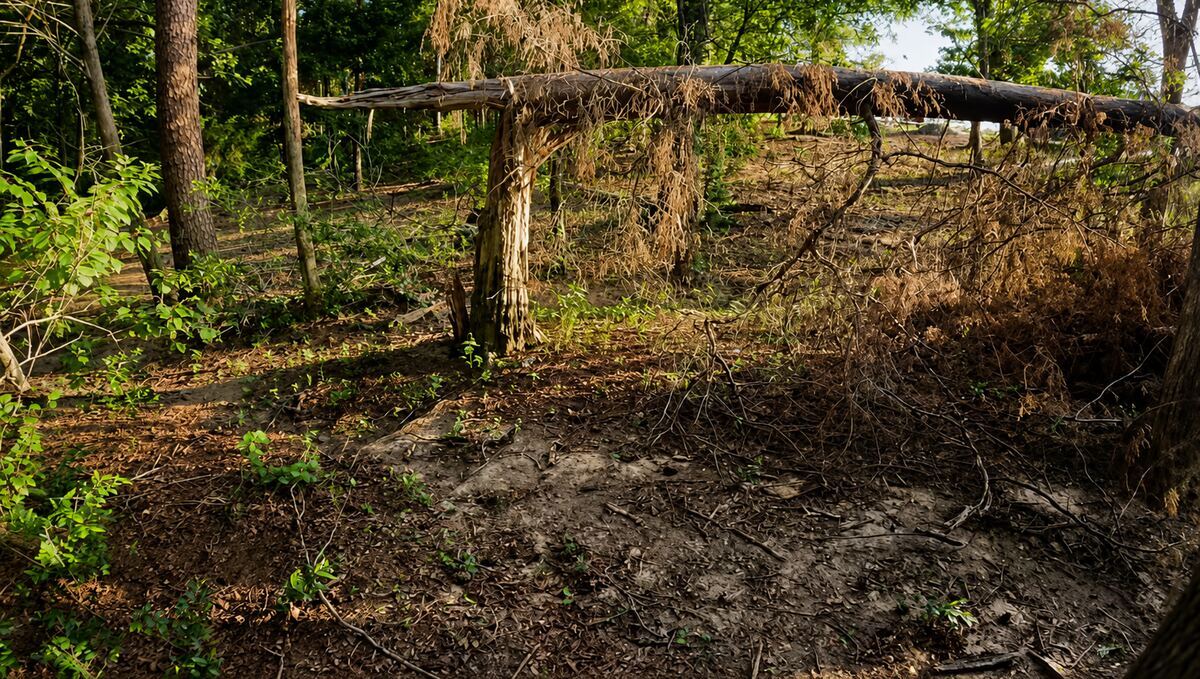
At first glance, this cedar tree looked like a loss.
The trunk had cracked badly near the base, leaving splintered wood and a fallen tree that needed to be cleared. But damage at one end of a log doesn’t always tell the whole story.
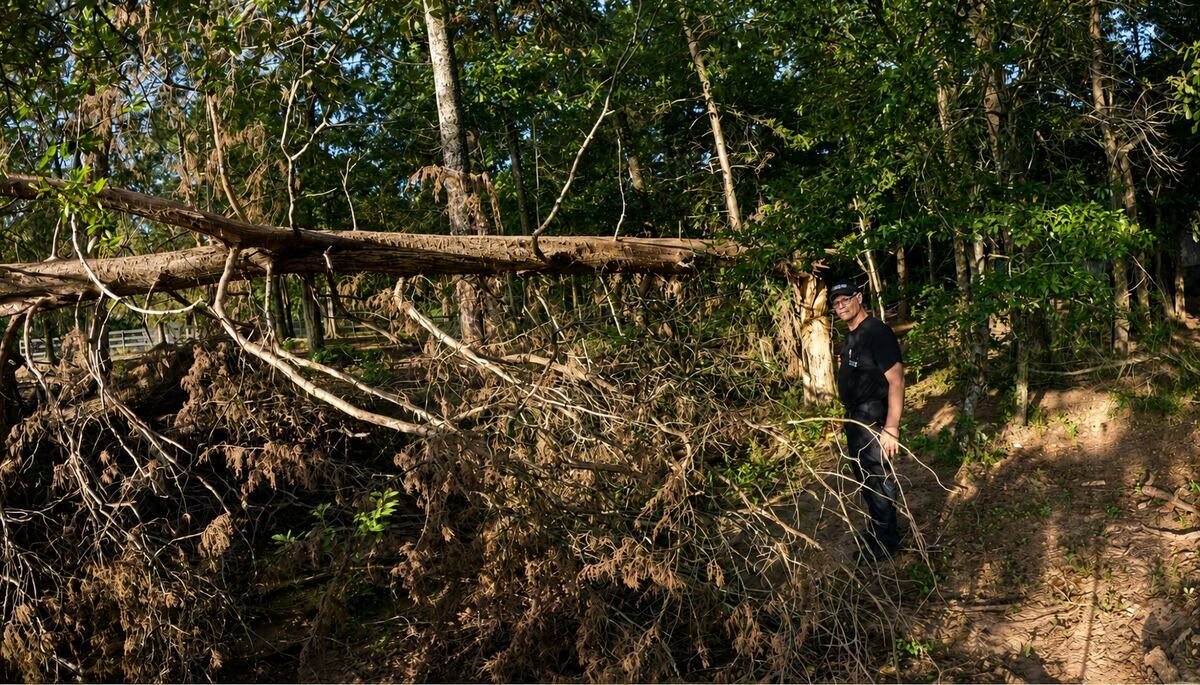
Once the cedar was on the ground, Robert took a closer look. Beneath the bark and broken fibers was the rich red wood cedar is known for—and the possibility of turning part of the damaged tree into usable lumber.
Could this cracked cedar still be saved? There was only one way to find out.
The Crack Didn’t Tell the Whole Story
The break at the base was rough. Long wood fibers had pulled apart, and the damaged end looked more like debris than a potential sawlog.
Farther up the trunk, however, the cedar remained solid enough to investigate.
Rather than judging the entire tree by its broken end, the usable section was separated, cleared of limbs, and prepared for the sawmill. That decision gave the wood a second chance.
Getting the Cedar Ready for the Mill
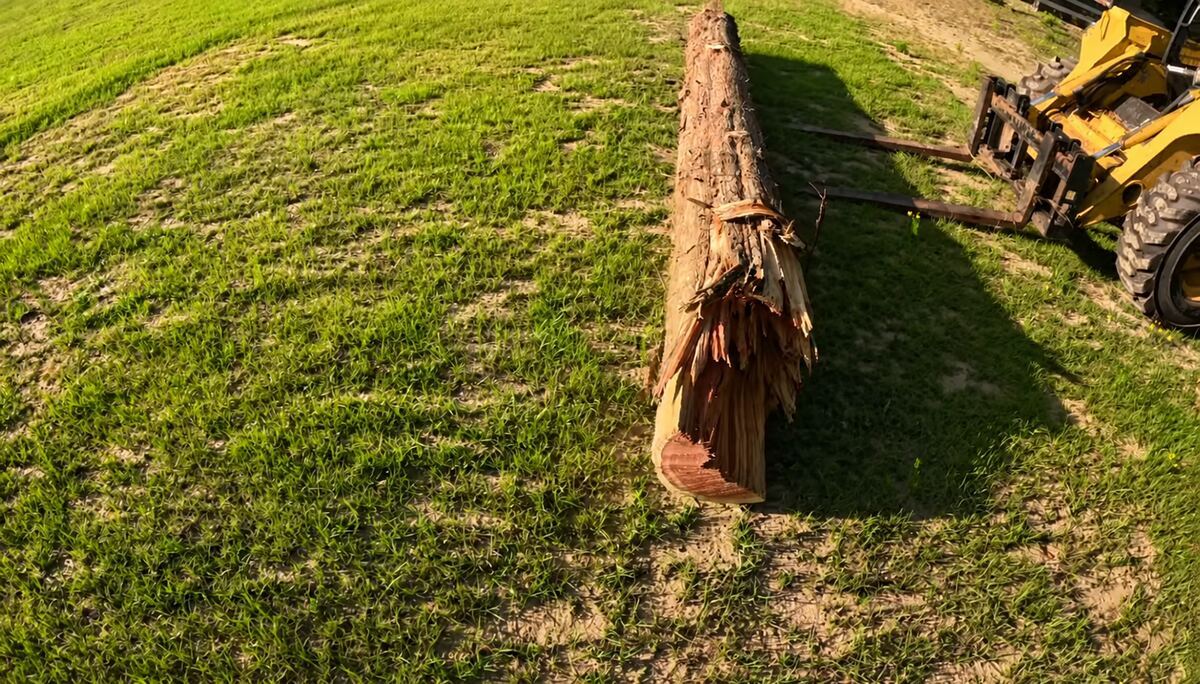
Moving a damaged tree takes patience.
Loose branches and broken wood had to be cleared before the main section of the cedar could be moved into the open. The log was then positioned where it could be inspected and prepared for milling.
The cracked end was impossible to miss. Long splinters extended into the log, and several areas were too badly damaged to produce sound boards.
Still, the remaining length offered plenty of reason to put the log on the mill and see what was hiding inside.
Milling Cedar on a Cook’s HD3238
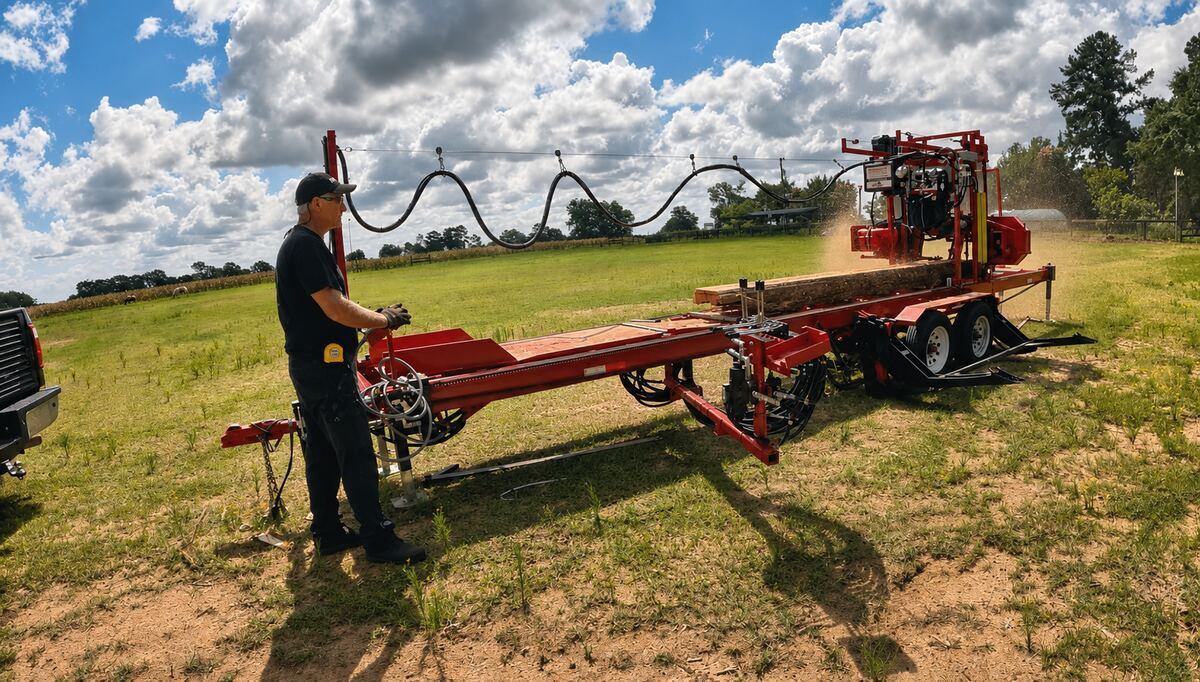
The cedar was cut on a Cook’s HD3238 portable sawmill.
Once the log was positioned and secured on the mill bed, the first passes began removing the rounded exterior and exposing the wood underneath.
With every cut, more of the cedar’s color, grain, and usable width became visible.
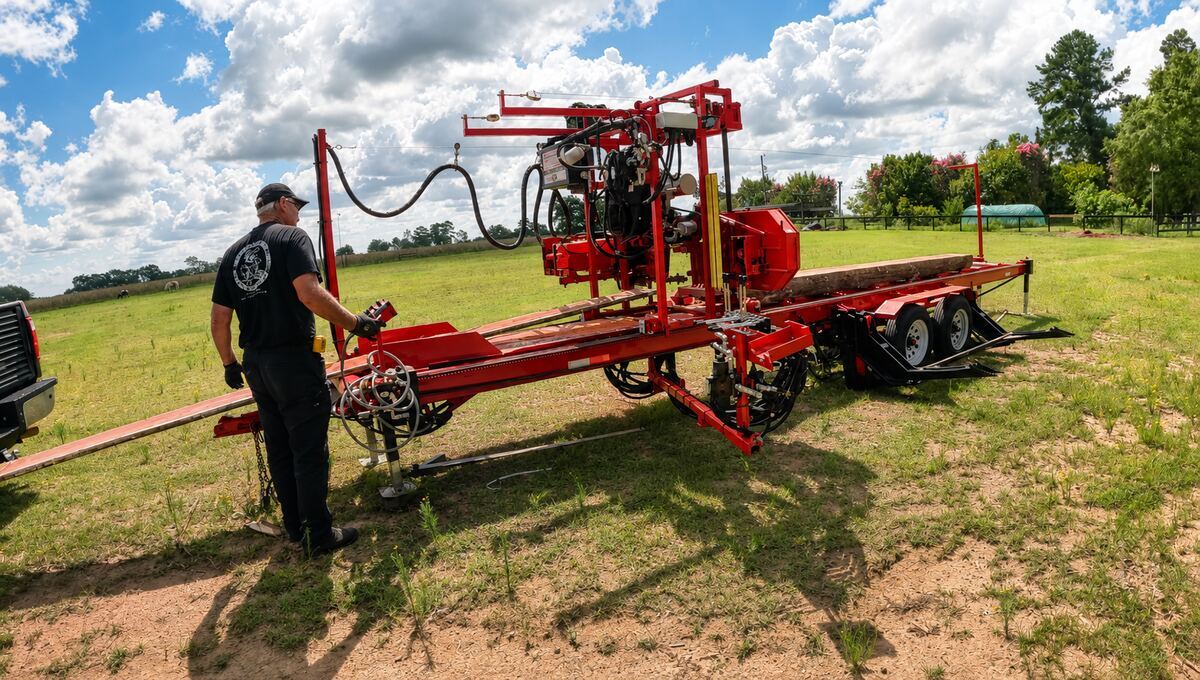
The HD3238’s hydraulic system allows the operator to position, turn, and secure a log while managing the saw head from the remote control station.
That control becomes especially useful when working with an uneven or damaged log.
As the blade traveled through the cedar, the rough exterior began giving way to long, freshly cut surfaces.
The damage didn’t disappear, but the mill made it possible to work around the worst sections and recover the usable wood.
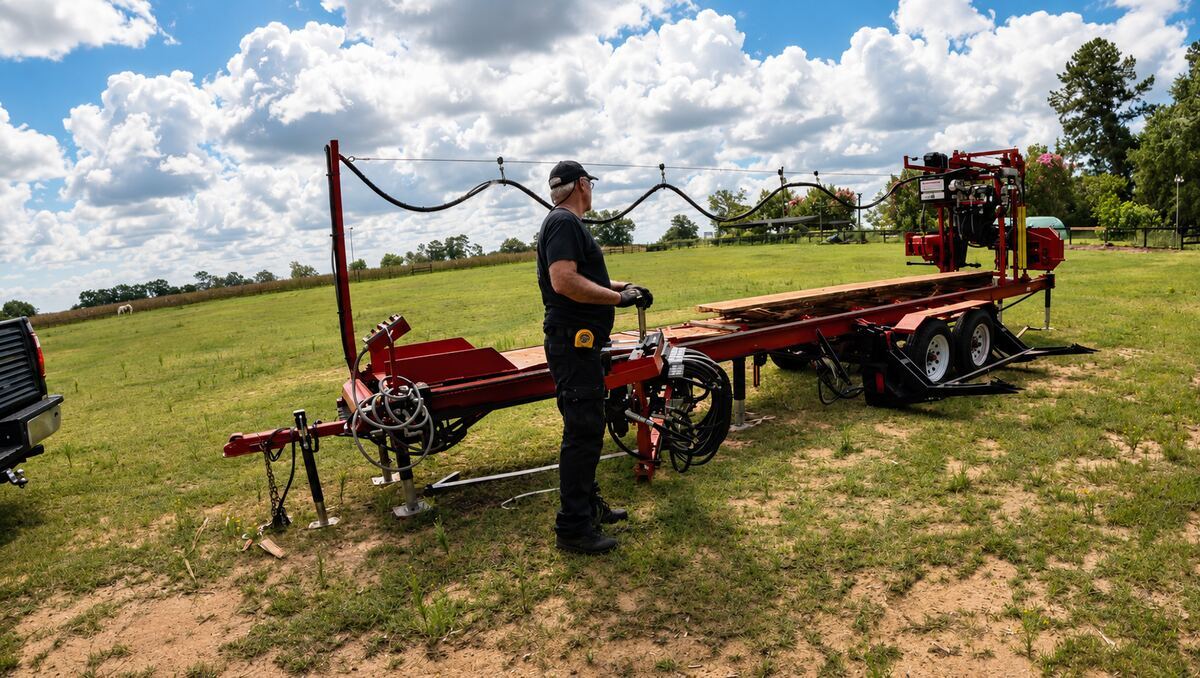
This wasn’t about forcing every inch of a broken tree into perfect lumber. It was about finding the sound wood that remained and making the most of it.
What Was Hiding Inside?
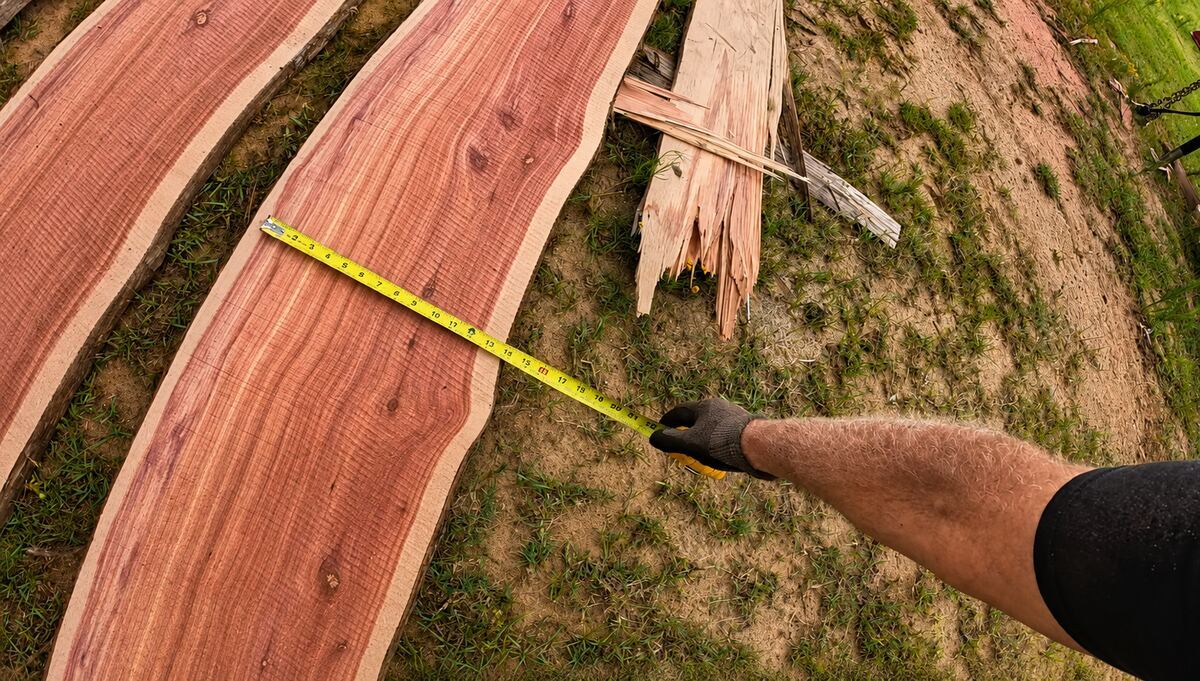
The first boards answered the question.
Yes, much of the cedar was worth saving.
The freshly exposed wood revealed warm reddish color, visible grain, and widths that could still be useful for future projects.
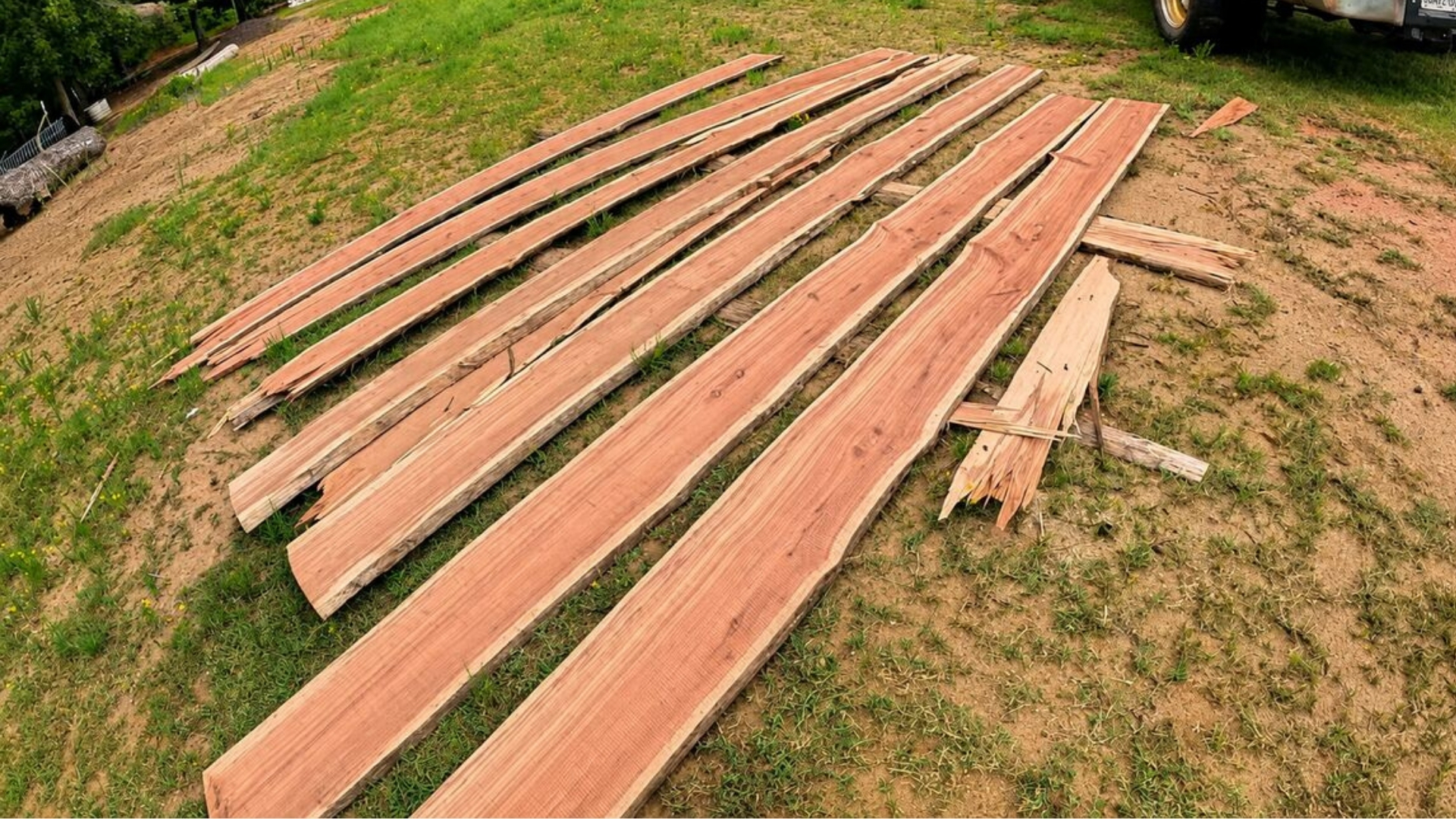
Some pieces were wide. Others followed the irregular shape of the original log. A few still showed cracks or areas affected by the damaged base.
They weren’t identical and that was part of their character.
Before being used in a finished project, freshly sawn cedar should be properly dried and inspected for its intended use.
But instead of becoming cleanup debris, much of this tree now has the opportunity to become something useful.
A Damaged Tree Can Still Hold Valuable Lumber
Not every cracked, fallen, or damaged tree will produce usable boards. Rot, insects, internal cracks, embedded metal, and other defects can affect what can be recovered.
Outward damage, however, doesn’t always mean the entire log should be discarded.
A portable sawmill gives landowners and sawyers the ability to open a log, inspect what is inside, and recover lumber that might otherwise be overlooked.
Sometimes the real value of a tree isn’t visible until the blade makes the first cut.
The Sawmill Behind the Cedar Story
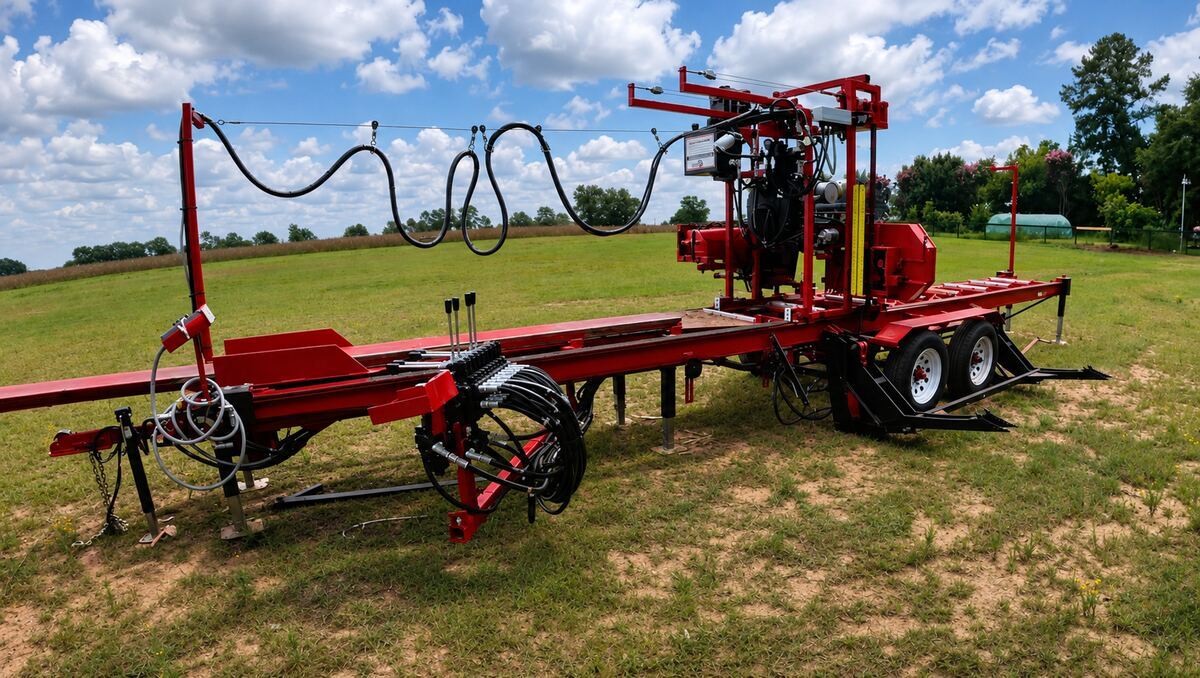
The Cook’s HD3238 featured in this story is built for hydraulic log handling and portable sawmilling.
It includes a 38 HP EFI Kohler engine, a 32-inch diameter log capacity, a 21-foot standard log length, hydraulic log loading and turning, and a remote control station.
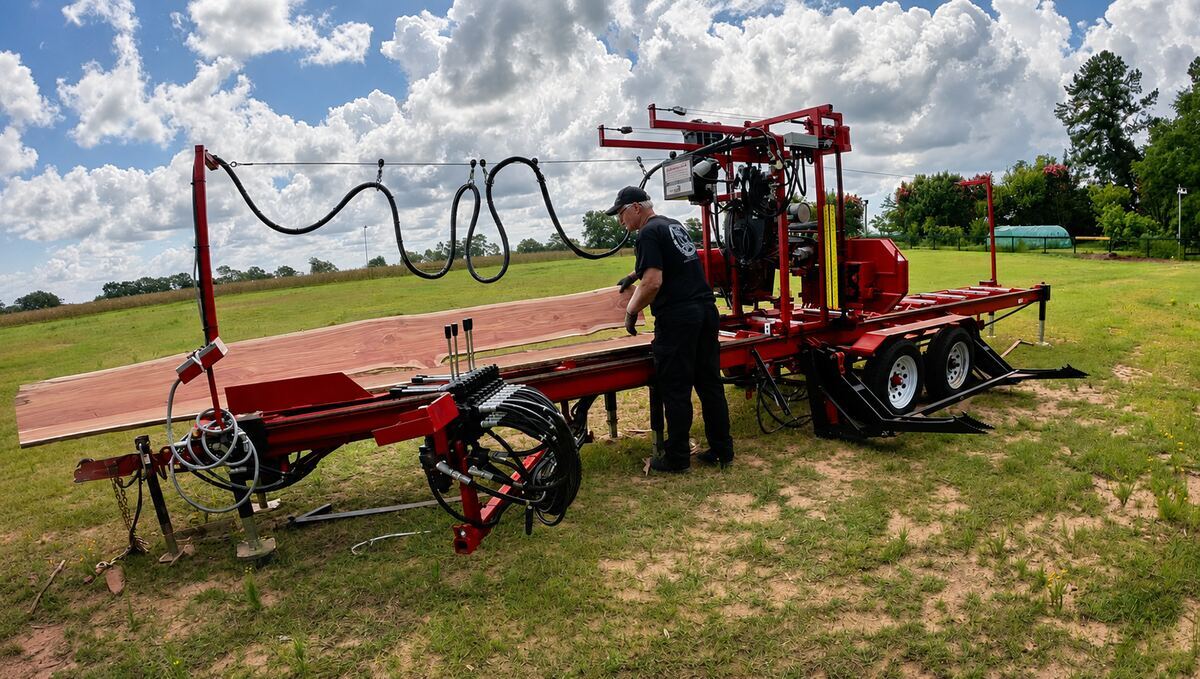
The mill shown in the video is lightly used, with only 20 hours of actual cutting time. It is currently available from Cook’s Saw.
Watch the Cedar Story
Follow the entire process from the badly cracked tree and broken base to the first sawmill cuts and freshly sawn cedar boards.
SEE THE HD3238 FEATURED IN THIS STORY
Watch the Cedar Story
Follow the entire process—from the badly cracked tree and broken base to the first sawmill cuts and freshly sawn cedar boards.
Have questions about the HD3238 or choosing the right sawmill for the logs you want to cut?
Call Cook’s Saw and ask for Robert. He’ll help you determine which mill best fits your sawing plans.
CALL 1-800-473-4804